

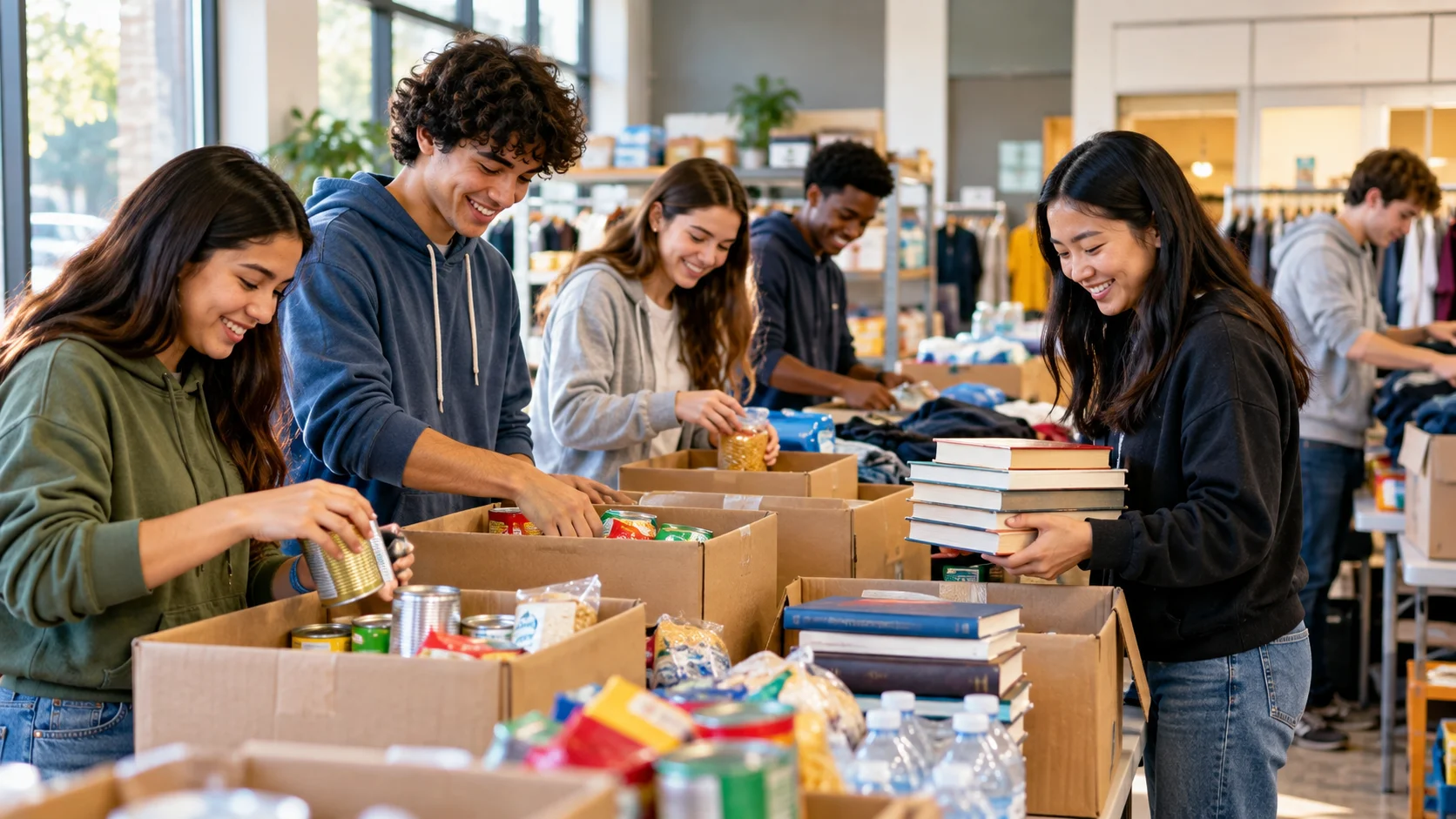
Student life is not only about classes, exams, and grades. It is also a time to gain experience, meet new people, build useful skills, and understand how the world works outside the classroom. Student volunteer opportunities give young people a practical way to do all of these things while supporting a cause, organization, or local community.
Volunteering can fit around school, college, or university schedules. Some students volunteer for a few hours on weekends, while others join longer projects during school breaks. There are also online volunteer roles for students who cannot travel or prefer flexible hours.
The right opportunity depends on your interests, available time, age, skills, and future goals. This guide explains the main types of volunteer work for students, where to find them, what skills you can gain, and how to choose a role that is worth your time.
What Are Student Volunteer Opportunities?
Student volunteer opportunities are unpaid roles that allow school, college, or university students to contribute their time to an organization, community project, charity, event, or social cause.
The work can be simple or highly skill-based. A student might help organize donated food, tutor younger children, assist at an animal shelter, support an environmental cleanup, manage social media for a nonprofit, or help run a community event.
Most volunteer positions do not expect students to have years of experience. Organizations usually provide instructions or basic training before the work begins.
This makes volunteering especially useful for students who want their first experience outside school.
Why Should Students Volunteer?
Volunteering offers something that classroom learning cannot always provide: real situations involving real people and responsibilities.
Students learn how to communicate with different people, manage their time, follow instructions, solve small problems, and work as part of a team.
It can also help students explore possible career paths.
For example, a student interested in healthcare might volunteer with a community health organization. Someone interested in teaching could help younger students with homework. A student considering environmental science might participate in conservation projects.
You do not need to know your future career before volunteering. Trying different activities can actually help you discover what interests you.
Popular Types of Student Volunteer Opportunities
There are many ways for students to volunteer. The best choice depends on what you enjoy doing and how much time you can commit.
| Volunteer Area | Typical Activities | Skills Students Can Develop |
|---|---|---|
| Education | Tutoring, homework support, reading programs | Communication, patience, leadership |
| Environment | Cleanups, tree planting, conservation projects | Teamwork, environmental awareness |
| Animal Welfare | Shelter support, animal care, fundraising | Responsibility, empathy |
| Community Service | Food drives, community events, donation programs | Organization, teamwork |
| Healthcare Support | Awareness campaigns, community programs | Communication, professionalism |
| Nonprofit Organizations | Events, research, admin, social media | Digital and organizational skills |
| Online Volunteering | Writing, design, translation, virtual tutoring | Remote work and digital skills |
| Senior Support | Social visits, activity support, technology help | Patience, communication |
1. Community Service Opportunities
Community service is one of the easiest places to begin.
Local charities, community centers, food programs, shelters, libraries, and neighborhood organizations regularly need additional help. Tasks may include sorting donations, preparing supplies, helping at events, or supporting community campaigns.

These roles are useful for students because they often require little previous experience.
Community volunteering also gives students a chance to see the direct effect of their work. Even a few hours spent helping with a local event or food drive can make a useful contribution.
2. Volunteer Work With Children
Students who enjoy teaching or working with younger people can look for tutoring and mentoring roles.
You may help children with reading, mathematics, language skills, homework, or basic computer skills. Some organizations also run after-school programs where volunteers help supervise activities.
These roles can improve communication and leadership skills.
They may be particularly relevant for students considering careers in education, psychology, childcare, social work, or community development.
Organizations working with children may have age restrictions or safeguarding requirements, so always check their rules before applying.
3. Environmental Volunteer Opportunities
Environmental volunteering is a good option for students who prefer active or outdoor work.
Common projects include:
- Beach and park cleanups
- Tree planting
- Recycling campaigns
- Community gardens
- Wildlife conservation
- Environmental awareness events
- Habitat restoration
These projects can range from one-day events to ongoing programs.
Environmental volunteer opportunities are also a practical way to learn about sustainability and conservation rather than only reading about these subjects in class.
4. Animal Shelter Volunteering
Animal welfare organizations often depend on volunteers to support their daily activities.
Depending on your age and the organization’s policies, you might help prepare food, clean animal areas, organize supplies, support adoption events, or assist with fundraising.
Direct animal handling may require additional training or minimum age requirements.
Students interested in veterinary medicine, animal science, or animal welfare can gain useful exposure to the realities of caring for animals.
It is important to remember that shelter volunteering is not simply spending time playing with pets. Cleaning, organization, and routine tasks are often a large part of the work.
5. Healthcare and Wellness Volunteering
Healthcare-related student volunteer opportunities can help students learn more about medical and community health environments.
Hospitals may have structured volunteer programs, although age requirements can be strict. Students can also explore charities, senior care programs, blood donation campaigns, disability support organizations, and public health initiatives.
Volunteer duties usually do not involve medical treatment.
Instead, students might help with administrative tasks, awareness campaigns, events, visitor support, or community outreach.
Students interested in medicine, nursing, pharmacy, public health, or healthcare administration may find these experiences particularly relevant.
6. Online Volunteer Opportunities for Students
Not every volunteer position requires you to visit an organization in person.
Virtual volunteering has created more flexible options for students. Depending on your skills, you might help with content writing, graphic design, research, translation, online tutoring, website updates, data organization, or social media.
Remote opportunities can work well for university students who already have digital skills.
They are also useful for students living in areas where local volunteer programs are limited.
Before accepting an online role, check that the organization is genuine. Look at its official website, contact information, history, and clear description of what volunteers are expected to do.
7. Volunteering at Events
Festivals, charity runs, conferences, fundraising events, school programs, and community celebrations often need temporary volunteers.
Students may help with registration, directions, setup, guest support, distributing materials, or cleaning after the event.
Event volunteering is ideal if you cannot make a long-term commitment.
A single event might require only several hours or one day. It also gives students experience working in a fast-moving environment where teamwork and communication matter.
How to Find Student Volunteer Opportunities Near You
Start by looking within your own school, college, or university.
Many educational institutions have clubs, career offices, community service departments, or student organizations that already work with local nonprofits.
You can also check local charities, libraries, community centers, hospitals, environmental groups, animal shelters, religious community organizations, and nonprofit organizations.
Search for terms such as student volunteer opportunities near me, volunteer work for students, or weekend volunteer opportunities for students alongside your city or area.
Do not rely only on search results. Ask teachers, counselors, friends, family members, and local organizations about available programs.
How to Choose the Right Volunteer Opportunity
Do not select a role simply because you think it will look good on an application.
Choose something that you can realistically commit to.
Start by considering your interests. Do you prefer working with people, animals, computers, children, nature, or events?
Next, look at your schedule.
If you have a heavy study schedule, a two-hour weekly role might make more sense than volunteering several days each week. During summer or semester breaks, you may have time for longer projects.
You should also check the location, transportation, minimum age, training requirements, dress code, and expected commitment before agreeing to a position.
Skills You Can Gain Through Volunteering
One major benefit of student volunteering is skill development.
Communication is often one of the first skills students improve because volunteers interact with staff members, other volunteers, visitors, and community members.
Teamwork is another common skill. Most community projects involve people working together toward a shared goal.
Students can also develop:
- Leadership
- Time management
- Problem-solving
- Organization
- Confidence
- Professional communication
- Adaptability
- Responsibility
The exact skills depend on the volunteer role.
Taking responsibility for a fundraising event, for example, provides a different experience from tutoring a child or supporting an animal shelter.
Can Volunteering Help With College and Job Applications?
Volunteer experience can be included on a resume, college application, scholarship application, or professional profile when it is relevant.
However, simply collecting volunteer hours is less meaningful than being able to explain what you actually did.
Keep a simple record of your experience. Write down the organization, dates, responsibilities, projects, and skills you developed.
When discussing the experience later, focus on specific contributions.
Instead of only saying, “I volunteered at a community center,” you could explain that you helped organize weekly activities, assisted visitors, or supported a donation campaign.
Specific details make your experience easier for others to understand.
Volunteer Opportunities for High School Students
High school students may face more age restrictions than college students, but plenty of options are still available.
Schools often organize food drives, environmental projects, peer tutoring, fundraising events, and community programs.
Libraries and community organizations may also offer teen volunteer programs.
Students under 18 should check whether parental permission is required. Some organizations may also require an adult supervisor.
Starting with a small local project can be a good way to gain experience before applying for more structured programs.
Volunteer Opportunities for College Students
College and university students usually have access to a broader range of volunteer positions.
They may be able to use skills related to their degree.
A marketing student could support a nonprofit’s social media. A computer science student might help with basic technology tasks. A language student could assist with translation, while an education student could become a tutor.
Skill-based volunteering can benefit organizations while giving students practical experience related to their studies.
Campus societies and student clubs are another useful place to find opportunities.
How Much Time Should a Student Volunteer?
There is no perfect number of volunteer hours.
Consistency matters more than trying to reach a large number quickly.
If you can comfortably give two hours each week without affecting your studies, that can become meaningful experience over several months.
Other students may prefer one-day projects during weekends or longer programs during summer vacation.
Be realistic when speaking with an organization. It is better to promise two hours and attend consistently than promise ten hours and regularly cancel.
Staying Safe While Volunteering
Students should verify an organization before providing personal information or attending a volunteer activity.
For in-person roles, confirm the location, supervisor, working hours, duties, and emergency procedures.
Younger students should keep parents or guardians informed about where they will be volunteering.
For online roles, avoid sharing unnecessary personal or financial information.
Legitimate volunteer organizations should clearly explain who they are, what they do, and what they expect from volunteers.
Making Your Volunteer Experience Meaningful
You do not need a prestigious organization or international project to make volunteering valuable.
Local work can have just as much meaning.
Show up when you say you will. Listen carefully. Ask questions when instructions are unclear. Treat staff, volunteers, and community members respectfully.
As you gain experience, you may be trusted with additional responsibilities.
You can also reflect on what you learned after each project. Think about what went well, what was difficult, and what you would do differently next time.
These lessons can help you in school, future employment, and everyday life.
Finding the Right Student Volunteer Opportunities
The best student volunteer opportunities connect your available time with a cause or activity you genuinely care about.
You might start by helping at one local event and later move into a weekly volunteer position. Another student might begin with virtual tutoring and eventually take responsibility for coordinating other volunteers.
There is no single path.
Look for legitimate organizations, understand the commitment before joining, and choose work that gives you a chance to contribute rather than simply collect hours.
A few hours of meaningful, consistent work can teach skills and provide experiences that stay useful long after your student years.
Frequently Asked Questions
1. What are the best student volunteer opportunities?
Good options include tutoring, community service, environmental projects, animal shelters, nonprofit organizations, and local events. The best choice depends on your interests and available time.
2. Where can students find volunteer opportunities?
Students can check schools, universities, charities, libraries, community centers, hospitals, shelters, and nonprofit organizations. Local searches can also help identify nearby programs.
3. Can high school students volunteer?
Yes. Many organizations offer volunteer roles for teenagers, although minimum age requirements and parental permission may apply.
4. Are there online volunteer opportunities for students?
Yes. Students may find remote roles involving tutoring, writing, research, translation, design, social media, or basic administrative work.
5. Does volunteering help with college applications?
Relevant volunteer experience can provide useful examples of responsibility, community involvement, skills, and personal interests when completing applications.
6. How many hours should a student volunteer?
There is no universal requirement. Choose a schedule that fits around your studies and that you can maintain consistently without affecting school responsibilities.
7. Do students need experience to volunteer?
Many entry-level volunteer positions require no previous experience. Organizations often provide basic instructions or training before students begin their duties.

