

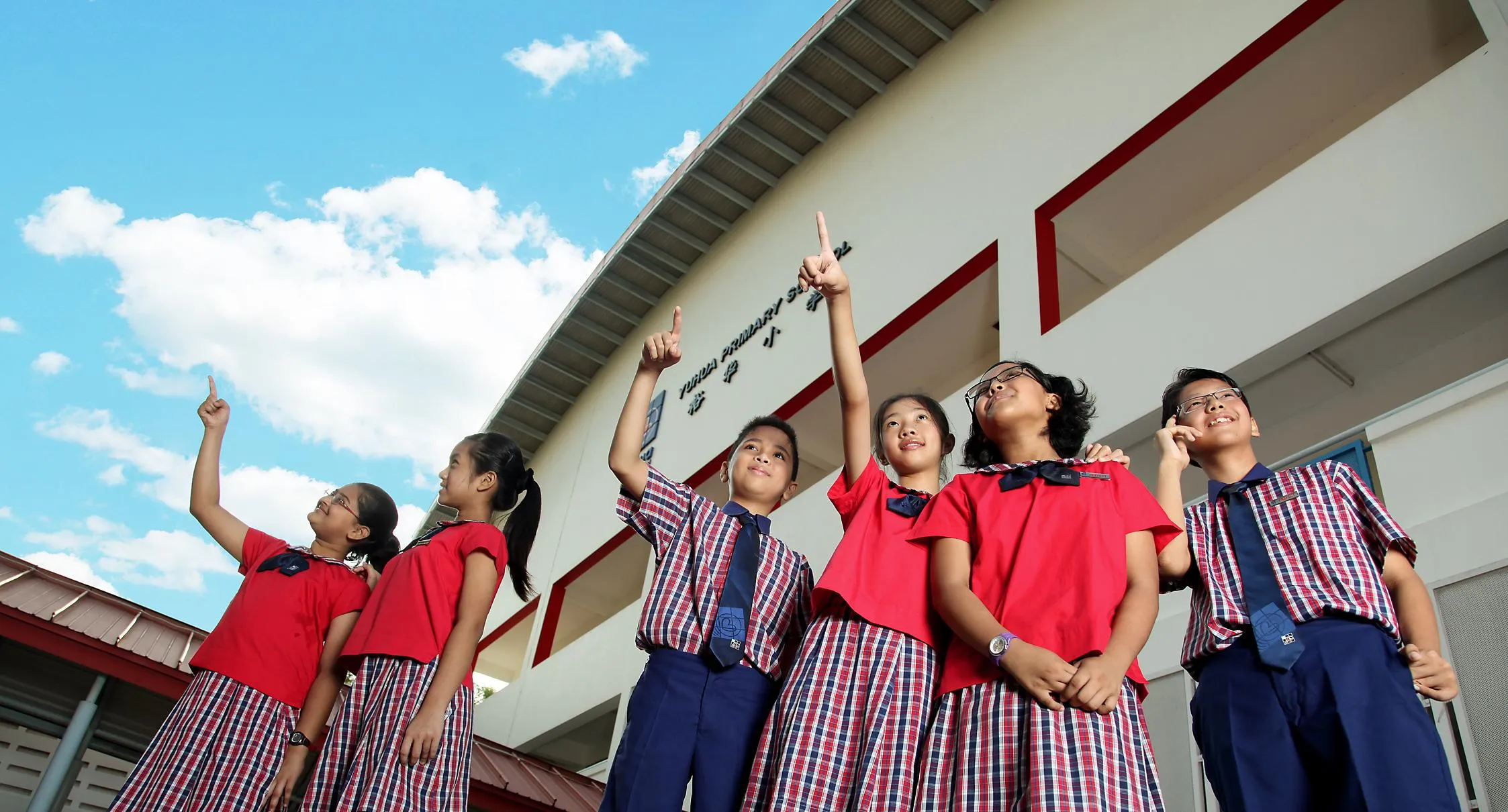
The MOE Singapore School Levels describe the main stages of education in Singapore, from early childhood learning to primary, secondary and post-secondary studies. Each stage serves a different purpose, and children move through the system according to their age, learning progress and chosen education pathway. For parents, knowing how these stages fit together can make school applications and future planning easier. Singapore’s education system includes six years of primary school, secondary education with different subject levels, and post-secondary options such as Junior Colleges, polytechnics and the Institute of Technical Education (ITE). Here’s how the school levels work, how long each stage usually lasts, and what families should know about progression, admission and fees.
TL;DR: Singapore School Levels at a Glance
Singapore’s main school stages are preschool, primary, secondary and post-secondary education. Primary school lasts six years, from Primary 1 to Primary 6, followed by secondary education and different post-secondary routes, including Junior College, Millennia Institute, polytechnic and ITE.
What Are the MOE Singapore School Levels?

The Ministry of Education Singapore (MOE) oversees the national education system and sets policies for mainstream schools. The Singapore school system is commonly described through four broad stages: preschool, primary, secondary and post-secondary education. Each stage builds on the learning and skills developed before it. Preschool introduces young children to language, numbers, play and social interaction. Primary school provides six years of foundational learning, while secondary school gives students opportunities to study subjects at different levels. After secondary school, students can move into pre-university education, diploma courses or technical and vocational training. The ages and duration below are typical estimates. A child’s actual route can depend on their school, admission date, learning needs and qualifications.
| School level | Typical age | Usual duration |
|---|---|---|
| Preschool | Around 3–6 | Varies by programme |
| Primary | Around 6–12 | 6 years |
| Secondary | Usually early teens onwards | Depends on programme and progression |
| Post-secondary | Usually mid-teens onwards | Depends on pathway |
Preschool Education in Singapore
Preschool education in Singapore gives children a chance to learn through play, conversation, stories, music and simple activities. Many centres offer Nursery classes followed by Kindergarten 1 (K1) and Kindergarten 2 (K2), although class names and entry ages can vary between providers. K1 and K2 help children build early literacy, numeracy, communication and social skills before Primary 1. They may practise recognising letters, counting, following instructions and working with classmates — all in an age-appropriate setting. Preschool arrangements are different from compulsory primary education. Parents can compare childcare centres, kindergartens and their available programmes before deciding what suits their family. For Primary 1, check MOE’s current registration guidance for the relevant school year, as the registration dates and eligibility rules matter.
Primary School in Singapore (Primary 1 to Primary 6)


Primary school in Singapore lasts six years, from Primary 1 (P1) to Primary 6 (P6). Children usually start P1 at around six years old, depending on their date of birth and the applicable admission rules. Singapore Citizens and Permanent Residents register through MOE’s Primary 1 registration exercise, which has different phases and eligibility criteria.
During these six years, pupils learn subjects such as English Language, Mathematics, Science and Mother Tongue Language. Schools also provide opportunities for physical education, the arts, character development and co-curricular activities. The exact subjects and learning experiences vary by level and school. At the end of P6, pupils take the Primary School Leaving Examination (PSLE). Their results are used in the posting process for secondary school, alongside the relevant school choices and posting rules. The PSLE is an important transition point, but it does not determine a child’s entire future. Students can take different subject combinations and pursue different routes as they progress. Parents can read the latest MOE PSLE information for details about the examination and secondary school posting.
Secondary School Levels in Singapore
Secondary school follows primary education and gives students more subject choices as they develop their interests and abilities. The length and subject combinations can vary according to a student’s learning needs and education route. Singapore has introduced Full Subject-Based Banding (Full SBB) in secondary schools. Under this approach, students can take subjects at different levels instead of being placed into one fixed stream for every subject. The three subject levels are:
-
G1: subjects taught and assessed at a less demanding level.
-
G2: subjects at an intermediate level.
-
G3: subjects at a more demanding level.
These levels apply to individual subjects, not a student’s entire identity or ability. For example, a student might study one subject at G3 and another at G2, depending on their strengths and school arrangements. Subject combinations and later progression options depend on the relevant requirements. The Secondary 1 Posting Exercise places pupils in secondary schools after primary school, according to the applicable posting rules, choices and available places. Families should review the current MOE information rather than rely on old descriptions of separate academic streams. What changes in 2027? From the 2027 graduating cohort, the Singapore-Cambridge Secondary Education Certificate (SEC) examination will replace the GCE N(T)-Level, N(A)-Level and O-Level examinations. Students will sit examinations at their respective G1, G2 and G3 subject levels, and the certificate will reflect the subjects and levels taken.
Post-Secondary Education Pathways in Singapore

After secondary school, students can choose from several post-secondary education pathways. The right route depends on their results, interests, admission requirements and preferred way of learning. Not every student follows the same route — and that is normal. Junior Colleges (JC) usually offer a two-year pre-university programme leading towards the A-Level examinations or another recognised qualification, depending on the institution. Millennia Institute (MI) provides a three-year pre-university route. These options suit students who want to continue with academic subjects before applying for university. Polytechnics focus on diploma education and applied learning. Students study a chosen field through a mix of classroom learning, projects and practical work. Many full-time diploma programmes take about three years, though duration varies by course. The Institute of Technical Education (ITE) offers technical and vocational education, including Nitec and Higher Nitec routes. Course length and progression options depend on the qualification and programme. Admission is not automatic at any of these institutions. Students need to check the current entry criteria, course prerequisites and application dates for their chosen route.
| Pathway | Main focus | Typical duration |
|---|---|---|
| Junior College (JC) | Pre-university education | Usually 2 years |
| Millennia Institute (MI) | Three-year pre-university route | 3 years |
| Polytechnic | Diploma and applied learning | Commonly about 3 years |
| Institute of Technical Education (ITE) | Technical and vocational education | Varies by course |
Parents and students can check the official websites of MOE, SEAB and individual institutions for current admission rules and qualification details.
Singapore School Levels and Education Costs
School fees in Singapore depend on the type of school, the student’s citizenship or residency status, and the education level. Government and government-aided schools follow MOE fee policies, while independent schools may charge different amounts. International schools set their own fee schedules, which can vary considerably. Families should also budget for items such as uniforms, books, transport, meals and school activities. Some schools charge miscellaneous fees in addition to monthly tuition fees, so check the school’s latest fee information before making plans. Table 3: What Affects School Fees?
| Factor | Why it matters |
|---|---|
| School type | Fee structures differ between government, independent and international schools |
| Citizenship status | Applicable tuition fees can vary by student status |
| Education level | Rates may change between primary, secondary and post-secondary education |
| Additional charges | Miscellaneous fees, uniforms, books and transport may add to costs |
For current fees at MOE schools, refer to the official MOE school fees page. Check directly with independent and international schools for their latest rates.
Frequently Asked Questions
What are the main school levels in Singapore?
The four broad stages are preschool, primary, secondary and post-secondary education. Post-secondary options include Junior College, Millennia Institute, polytechnic and ITE.
At what age do children start Primary 1 in Singapore?
Children usually start Primary 1 at around six years old, based on the applicable admission rules and date of birth. The exact registration eligibility depends on the school year. Parents should check the official MOE Primary 1 registration website for the relevant dates and requirements.
How many years is primary school in Singapore?
Primary school lasts six years, from Primary 1 to Primary 6. Pupils usually sit the PSLE at the end of P6 before moving to secondary school.
What comes after secondary school in Singapore?
Students may apply to a Junior College, Millennia Institute, polytechnic or ITE. Each option has its own entry requirements, course structure and progression routes. Students should compare the available programmes with their interests and results.
What are G1, G2 and G3 in Singapore schools?
G1, G2 and G3 are subject levels under Full Subject-Based Banding. G1 is the less demanding level, G2 is intermediate, and G3 is the more demanding level. A student can take different subjects at different levels, depending on their learning needs and school arrangements.
Conclusion
The MOE Singapore School Levels run from preschool through primary and secondary school to post-secondary education. Primary school lasts six years, while later stages offer different subject choices and study routes. Parents can plan with greater clarity by checking official MOE guidance, comparing admission requirements and reviewing current school fees before making decisions.

